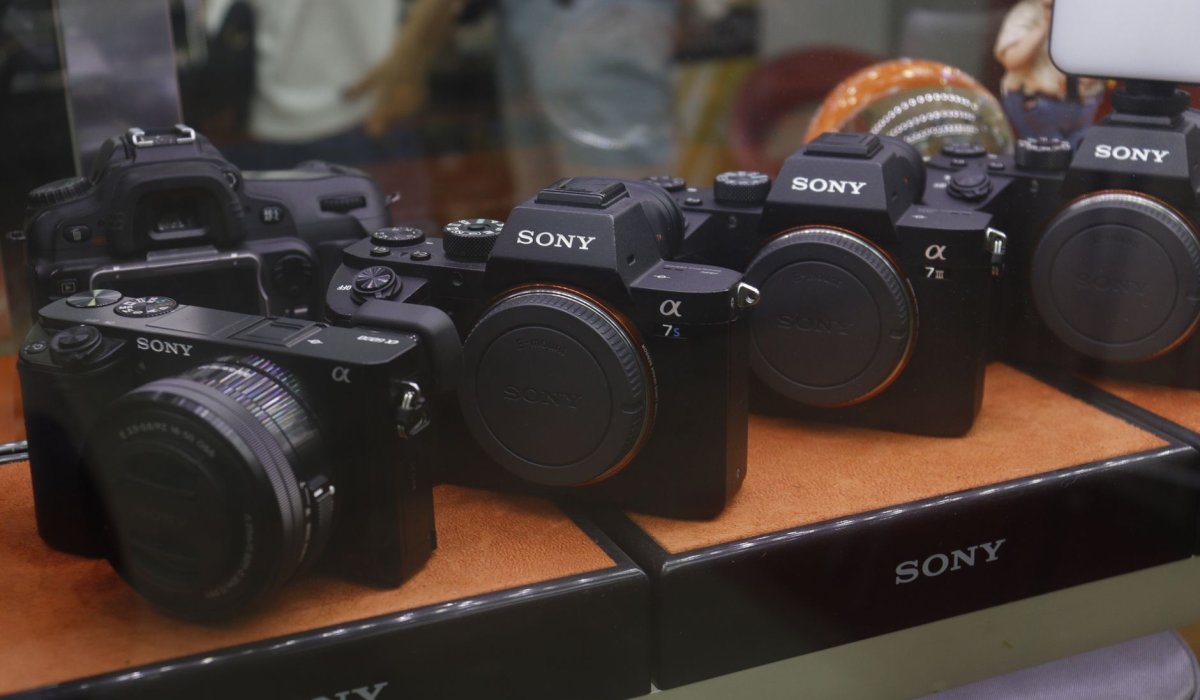
The demand for the best full frame camera continues to grow as photographers and content creators look for higher image quality, better low-light performance, and greater creative control. Full-frame cameras are known for their larger sensors, which capture more light and detail compared to smaller sensor formats, making them a preferred choice for professionals and serious enthusiasts.
Whether you are shooting portraits, landscapes, weddings, or cinematic video, a full-frame camera can significantly improve the quality of your work. These cameras are designed to deliver richer colors, smoother background blur, and improved dynamic range, giving your images a more professional look.
With so many models available today from different brands, choosing the right camera can feel overwhelming. Understanding how full-frame systems work and what features matter most can help you make a confident and informed decision.
Why Full Frame Cameras Are So Popular
Full-frame cameras are widely used because of their superior image quality. The larger sensor size allows each pixel to capture more light, which results in clearer and more detailed images, especially in challenging lighting conditions.
Photographers often prefer full-frame systems for their ability to produce shallow depth of field, which helps isolate subjects and create beautiful background blur. This effect is especially useful in portrait and wedding photography.
Another reason for their popularity is better performance in low light. Full-frame sensors generally produce less noise at higher ISO settings, allowing photographers to shoot in dim environments without sacrificing image quality.
These cameras also offer a wider field of view compared to crop sensor models when using the same lens. This makes them ideal for landscape, architecture, and travel photography.
As technology advances, full-frame cameras have become more accessible, with options available for both professionals and advanced hobbyists.
Key Features That Define the Best Full Frame Camera
When choosing a full-frame camera, several important features should be considered to ensure it meets your needs.
Image resolution plays a major role. Higher megapixel counts provide more detail and flexibility for cropping or large prints, while lower megapixel cameras often perform better in low light.
Autofocus performance is another critical factor. Modern full-frame cameras offer advanced autofocus systems that track subjects quickly and accurately, which is especially important for sports, wildlife, and event photography.
Video capabilities have become increasingly important. Many full-frame cameras now support 4K or even 8K recording, along with professional features like log profiles and high frame rates for cinematic work.
Build quality and durability also matter, especially for professionals who shoot in outdoor or challenging environments. Weather-sealed bodies help protect the camera from dust and moisture.
Battery life, storage options, and connectivity features such as Wi-Fi and Bluetooth also contribute to overall usability and convenience.
Best Full Frame Camera for Photography
For photography-focused users, full-frame cameras excel in delivering exceptional image quality across different genres. Portrait photographers benefit from the natural background separation and skin tone accuracy that full-frame sensors provide.
Landscape photographers appreciate the wide dynamic range and ability to capture fine details in both shadows and highlights. This makes it easier to produce stunning images of nature and cityscapes.
Wedding and event photographers rely on full-frame cameras for their low-light performance and fast autofocus systems. These features help capture important moments clearly in unpredictable lighting conditions.
Many modern full-frame cameras also offer high burst shooting speeds, allowing photographers to capture fast-moving subjects with precision.
Lens selection is another advantage of full-frame systems. A wide range of high-quality lenses is available, giving photographers creative flexibility to achieve different styles and perspectives.
Overall, the best full frame camera for photography is one that balances resolution, speed, and reliability based on your specific shooting style.
Best Full Frame Camera for Video Creators
Video production has become a major reason many users invest in full-frame cameras. These devices offer cinematic image quality that rivals professional filmmaking equipment.
Full-frame sensors provide excellent depth of field control, allowing creators to achieve a film-like look with smooth background separation. This is especially valuable for interviews, short films, and online content creation.
Modern full-frame cameras often include advanced video features such as 4K recording at high frame rates, in-body stabilization, and support for external microphones and monitors.
Color science is another important factor for videographers. Many cameras offer flat or log profiles that preserve dynamic range and allow for detailed color grading in post-production.
Overheating control, recording limits, and battery performance are also important considerations for extended video shoots.
For creators who produce both photos and videos, hybrid full-frame cameras provide an excellent all-in-one solution.
How to Choose the Right Full Frame Camera
Selecting the right camera depends on your goals, budget, and level of experience. Beginners may prefer models with simple controls and automatic shooting modes, while professionals often look for advanced customization options.
Budget is one of the most important factors. Entry-level full-frame cameras offer great image quality at a more affordable price, while high-end models provide advanced features and superior performance.
Consider your primary use case before making a decision. Photographers who focus on portraits or landscapes may prioritize resolution and dynamic range, while action shooters need fast autofocus and burst speed.
Video creators should focus on resolution, frame rates, and recording features. Having strong video capabilities can make a significant difference in content quality.
Ergonomics and handling should not be overlooked. A comfortable grip, intuitive controls, and a well-designed menu system can greatly improve the shooting experience.
Lens availability is another important factor. Choosing a camera system with a strong lens ecosystem ensures long-term flexibility and creative growth.
Common Mistakes When Buying a Full Frame Camera
Many buyers focus only on megapixels when choosing a camera, but resolution alone does not determine overall image quality. Sensor performance, lens quality, and processing power are equally important.
Another common mistake is overlooking lens costs. Full-frame lenses can be expensive, and building a complete system requires careful planning.
Some users also underestimate the importance of ergonomics. A camera that feels uncomfortable may negatively affect shooting experience and long-term usage.
Ignoring video features is another issue, especially for creators who plan to produce both photos and videos. Not all full-frame cameras offer the same level of video performance.
It is also important to avoid buying more camera than you actually need. High-end professional models may offer features that are unnecessary for casual users.
Careful research and hands-on testing can help avoid these mistakes and ensure a better long-term investment.
Final Thought
The best full frame camera offers a powerful combination of image quality, low-light performance, and creative flexibility. Whether you are a photographer, filmmaker, or hybrid creator, full-frame systems provide the tools needed to produce professional-level content.
While choosing the right model depends on individual needs and budget, understanding key features such as autofocus, resolution, video capabilities, and lens ecosystem can make the decision much easier.
As camera technology continues to evolve, full-frame systems remain a top choice for those who want the highest level of performance and image quality. Investing in the right camera can elevate your creative work and support your growth as a visual storyteller.
FAQs
What is the best full frame camera for beginners?
Entry-level full-frame cameras with simple controls and strong automatic modes are ideal for beginners.
Are full frame cameras better than crop sensor cameras?
Yes. Full-frame cameras generally offer better low-light performance, dynamic range, and image quality.
Do full frame cameras improve photo quality?
They can improve overall image quality due to larger sensors that capture more light and detail.
Is a full frame camera worth it?
Yes, especially for professionals and serious hobbyists who want higher-quality images and better control.
Can full frame cameras shoot good video?
Yes. Many full-frame cameras offer 4K or higher video recording with advanced cinematic features.
Why are full frame cameras expensive?
They use larger sensors, advanced technology, and are often built for professional performance.
What lenses are best for full frame cameras?
High-quality prime and zoom lenses designed specifically for full-frame systems provide the best results.